- SURPASS-2 head-to-head showed Tirzepatide produced larger HbA1c and weight reductions than semaglutide 1mg in patients with type-2 diabetes.
- STEP-1 demonstrated 14.9% mean weight loss with semaglutide 2.4 mg over 68 weeks in adults with overweight or obesity.
- SURMOUNT-1 demonstrated 20.9% mean weight loss with tirzepatide 15 mg over 72 weeks in obesity without diabetes.
- SUSTAIN-6 demonstrated semaglutide reduced major adverse cardiovascular events in patients with type-2 diabetes.
- SELECT (2023) extended cardiovascular benefit to people with obesity without diabetes, broadening the indication landscape.
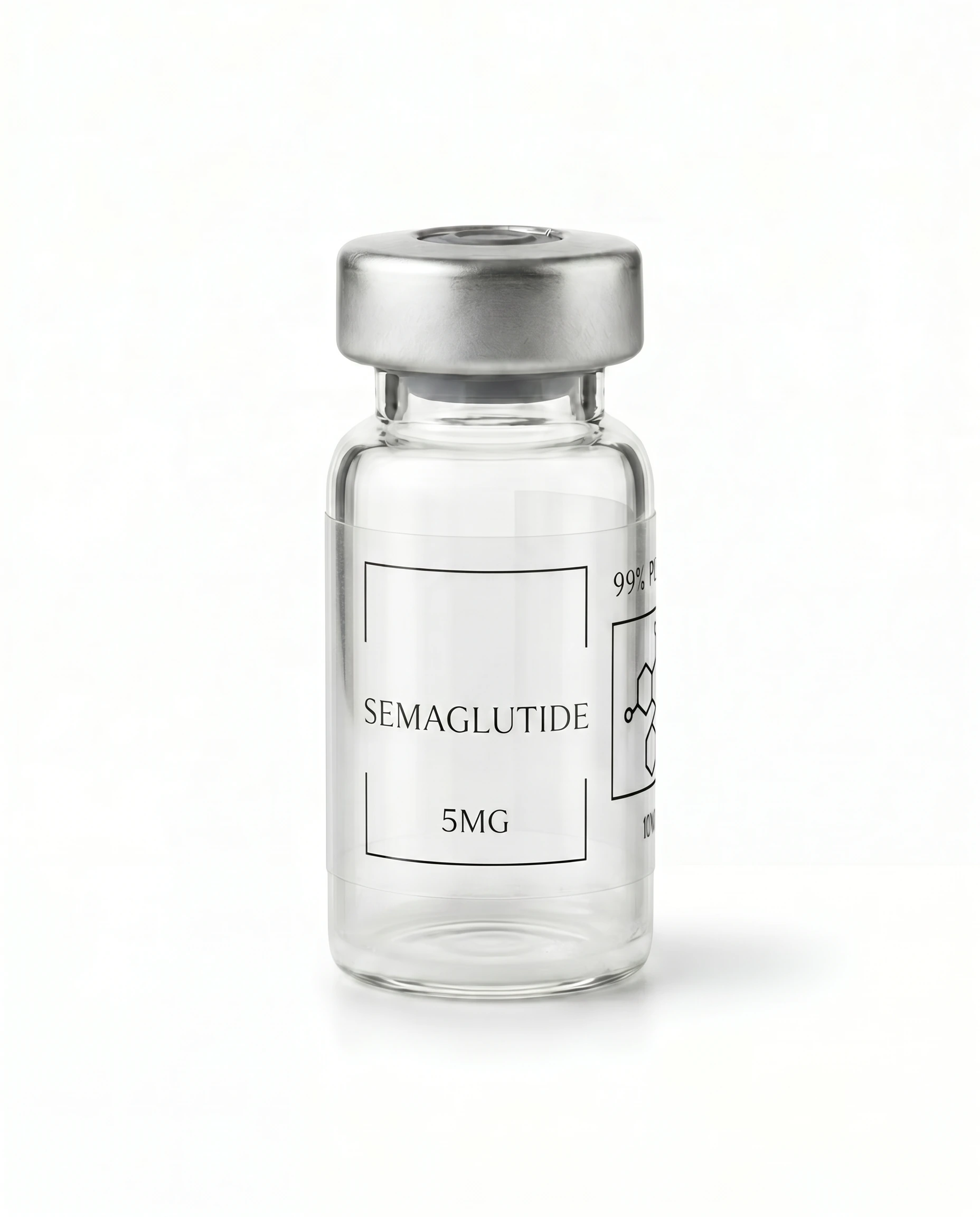
Semaglutide is a long-acting GLP-1 receptor agonist; Tirzepatide is a dual GIP and GLP-1 receptor agonist. Both are approved for type-2 diabetes and weight management, and both have generated large-trial evidence in the past decade. The head-to-head data is narrow but the program-level evidence is rich.
Type-2 diabetes head-to-head: SURPASS-2
The SURPASS-2 trial 1 randomised 1,879 patients with type-2 diabetes inadequately controlled on metformin to weekly tirzepatide (5, 10, or 15 mg) or semaglutide 1 mg. After 40 weeks, all three tirzepatide doses produced larger HbA1c reductions than semaglutide 1 mg, and the 10 and 15 mg arms produced greater weight loss. SURPASS-2 used semaglutide 1 mg, not the higher 2 mg or 2.4 mg doses approved later, which is a meaningful caveat when generalising.
Weight loss in obesity without diabetes
STEP-1 2 randomised 1,961 adults with overweight or obesity (BMI ≥27) to semaglutide 2.4 mg or placebo for 68 weeks. The semaglutide group lost a mean 14.9% of body weight versus 2.4% with placebo. SURMOUNT-1 3 randomised 2,539 adults with obesity (BMI ≥30) without diabetes to tirzepatide (5, 10, or 15 mg) or placebo for 72 weeks. Mean weight loss was 15.0%, 19.5%, and 20.9% across the three doses versus 3.1% with placebo.
These two trials are not a direct head-to-head — different populations, different durations, different inclusion criteria — but the program-level magnitudes establish tirzepatide's higher ceiling in obesity without diabetes.
Cardiovascular outcomes
SUSTAIN-6 4 demonstrated semaglutide reduced major adverse cardiovascular events (MACE) by 26% in patients with type-2 diabetes at high cardiovascular risk over a median 2.1 years. The SELECT trial 5, published 2023, extended the cardiovascular benefit to people with established cardiovascular disease and obesity without diabetes — a 20% reduction in MACE over a mean 39.8-month follow-up. Tirzepatide's dedicated cardiovascular outcomes trial (SURPASS-CVOT) remains pending at the time of this summary.
What the evidence supports
Semaglutide has a deeper cardiovascular evidence base in both diabetes and obesity populations. Tirzepatide has a higher weight-loss ceiling in head-to-head and program-level data, with cardiovascular outcomes pending. Selection between the two compounds is driven by primary indication, comorbidity profile, and tolerability rather than a clear single-trial verdict.
For the trial-by-trial walk-through with endpoint tables and methodology notes, see the Semaglutide vs Tirzepatide trials article.
Citations
- Frías JP, et al. Tirzepatide versus Semaglutide Once Weekly in Patients with Type 2 Diabetes (SURPASS-2). N Engl J Med. 2021. PMID: 34170647
- Wilding JPH, et al. Once-Weekly Semaglutide in Adults with Overweight or Obesity (STEP 1). N Engl J Med. 2021. PMID: 33567185
- Jastreboff AM, et al. Tirzepatide Once Weekly for the Treatment of Obesity (SURMOUNT-1). N Engl J Med. 2022. PMID: 35658024
- Marso SP, et al. Semaglutide and Cardiovascular Outcomes in Patients with Type 2 Diabetes (SUSTAIN-6). N Engl J Med. 2016. PMID: 27633186
- Lincoff AM, et al. Semaglutide and Cardiovascular Outcomes in Obesity without Diabetes (SELECT). N Engl J Med. 2023. PMID: 37952131
All references verified against PubMed via NCBI E-utilities.
This summary draws on the full-length article at /articles/semaglutide-vs-tirzepatide-trials. The article is the canonical long-form treatment; this page is the research-summary re-presentation.