
Editor's note
Reading healing & recovery, what to look for.
Compounds in this category share a common pharmacological anchor but diverge meaningfully in half-life, receptor selectivity, and tolerability profile. A compound's published dose range is rarely interchangeable with its sibling's; the molecule matters.
Where human trial data exists, we lean on it. Where only preclinical or open-label data exists, we flag the limitation in plain language. We do not infer efficacy from mechanism alone, mechanism is a starting question, not an answer.
Citations for each entry reference Phase 2+ clinical data where available, peer-reviewed preclinical work otherwise. Commercial white-papers are excluded.
Further reading
Deep-dives across the healing & recovery cluster.
- Deep dive · 12 min read BPC-157 Mechanism of Action: VEGF, NO Pathway, and Tendon Repair BPC-157 mechanism deep-dive: VEGFR2 angiogenesis, Src-Caveolin-1-eNOS pathway, FAK-paxillin tendon repair, gastric protection. Bangkok research-grade.
- Comparison · 11 min read BPC-157 vs TB-500: Mechanism Comparison and the Stack-Rationale Question Mechanism-level comparison of BPC-157 and TB-500: angiogenesis, FAK-paxillin signalling, actin sequestration. What the stack hypothesis is and what evidence supports it.
- Deep dive · 11 min read TB-500 Research: From Thymosin-β4 Discovery to Current Studies Deep-dive into the TB-500 research history. Thymosin-β4 discovery, actin sequestration mechanism, Ac-SDKP anti-fibrotic fragment, cardiac and dermal…
- Deep dive · 9 min read GHK-Cu Research: Copper-Peptide Mechanism and the Skin-Regeneration Literature GHK-Cu tripeptide mechanism, copper-binding pharmacology, Pickart skin regeneration research, gene-expression effects, and the lab-use research context.
- Deep dive · 10 min read Healing Peptide Stacking: BPC-157 and TB-500 Research Protocols The BPC-157 + TB-500 stack: mechanism complementarity, protocol design, evidence base, and honest framing of where the literature is strong versus where…
- Buyer guide · 9 min read Best Peptides for Healing and Recovery: A Research Comparison Research comparison of BPC-157, TB-500, Thymosin-α1, and LL-37 for soft-tissue repair and recovery research.
- Research summary · 4 min · Reviewed Jun 2026 BPC-157 research summary: mechanism, healing pathways, and primary literature Curated summary of BPC-157 primary literature: VEGFR2 angiogenesis, Src-Caveolin-1-eNOS pathway, FAK-paxillin in tendon fibroblasts, gastric mucosal protection. PubMed-verified.
Healing & Recovery, common questions
What are healing & recovery peptides?
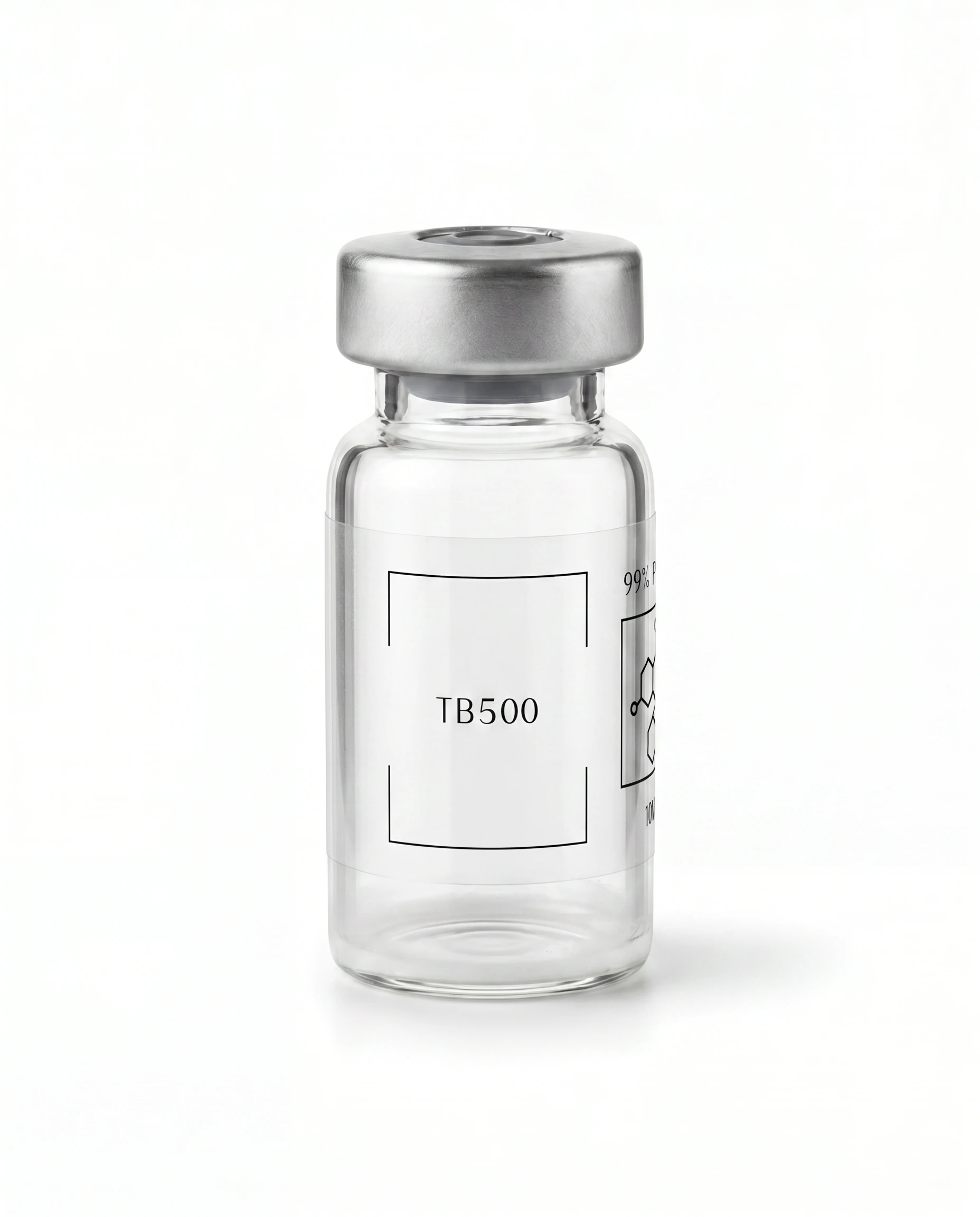
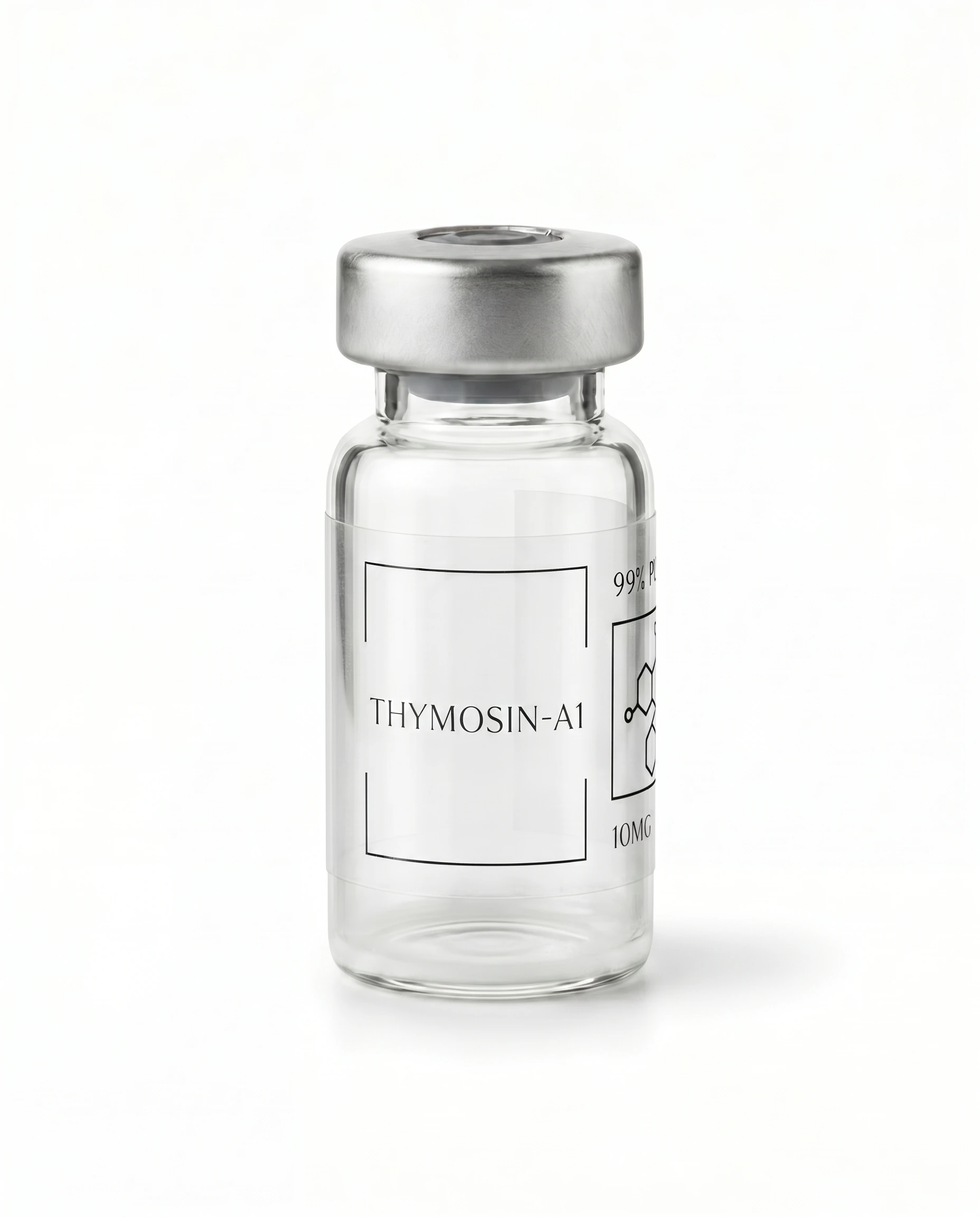
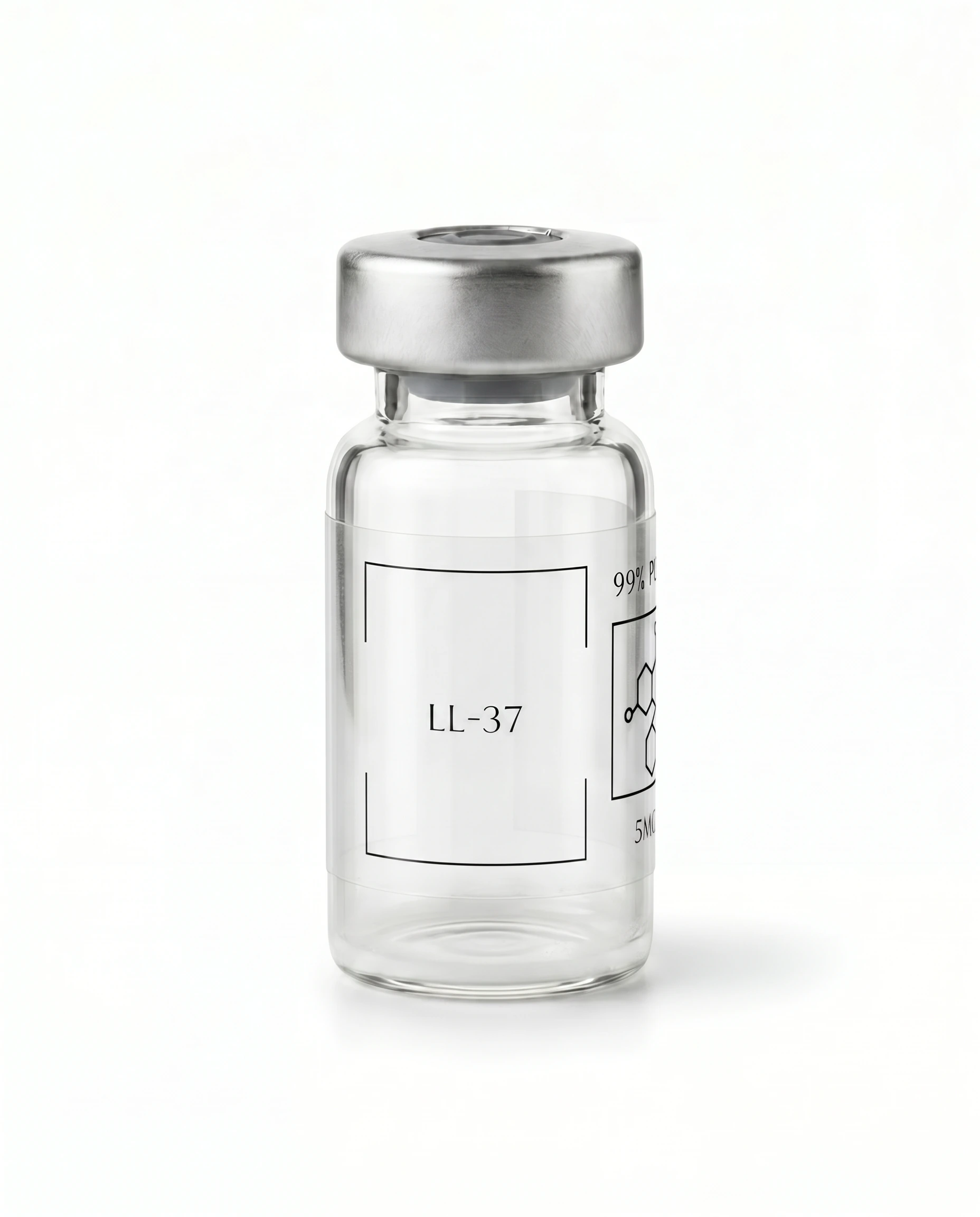
Healing & Recovery peptides are research compounds studied in the context described above: tissue-repair peptides investigated for tendon healing, wound regeneration, soft-tissue recovery, gastrointestinal repair, and post-injury inflammatory modulation in preclinical models. This category covers 4 compounds including BPC-157, TB-500, Thymosin-α1, and 1 more. All compounds are supplied in Thailand for research use only.
Which healing & recovery peptides does Thailand Peptides supply?
Thailand Peptides supplies 4 compounds in the Healing & Recovery category: BPC-157, TB-500, Thymosin-α1, LL-37. Each has a dedicated reference page with mechanism, dose protocols, stacking notes, and citations. Order via WhatsApp to the Bangkok research desk.
How do I buy healing & recovery peptides in Thailand?
Pick the compound from the catalogue above, then press the Contact button to open a WhatsApp chat with the Bangkok research desk. Tell us the compound and quantity; we return pricing and availability within business hours (GMT+7, Mon–Sat). Same-week delivery across Thailand.
Are healing & recovery peptides legal in Thailand?
Healing & Recovery peptides are supplied strictly for in-vitro research and laboratory investigation, not for human consumption, diagnosis, or treatment. Regulatory status varies by jurisdiction and by intended use; buyers are responsible for compliance with laws applicable in their own country. See the research disclosure for full detail.
What quality standards apply to healing & recovery peptides?
All compounds in this category are sourced for ≥98% HPLC purity with third-party mass-spectrometry verification, plus endotoxin and residual-solvent testing on every lot. Certificate of analysis is available on request for any compound in the Healing & Recovery range.