For laboratory research only.

Everything sold on peptidesth.com is supplied for in-vitro research and laboratory use. These materials are not drugs, supplements, or food. They are not intended for human or animal consumption, diagnostic use, or therapeutic use.

Please confirm you are 21 or older before continuing. Our research desk ships from Bangkok to qualified buyers in Thailand and worldwide.

Your acknowledgement is remembered on this device for 24 hours.

You’re about to view data for this compound.

This compound is supplied strictly for in-vitro research. It is not a medicine and is not intended for human or animal use. By continuing, you confirm you are 21 or older and accessing this information for laboratory purposes.

Categoryglp1-metabolic

GLP-1 Metabolic.

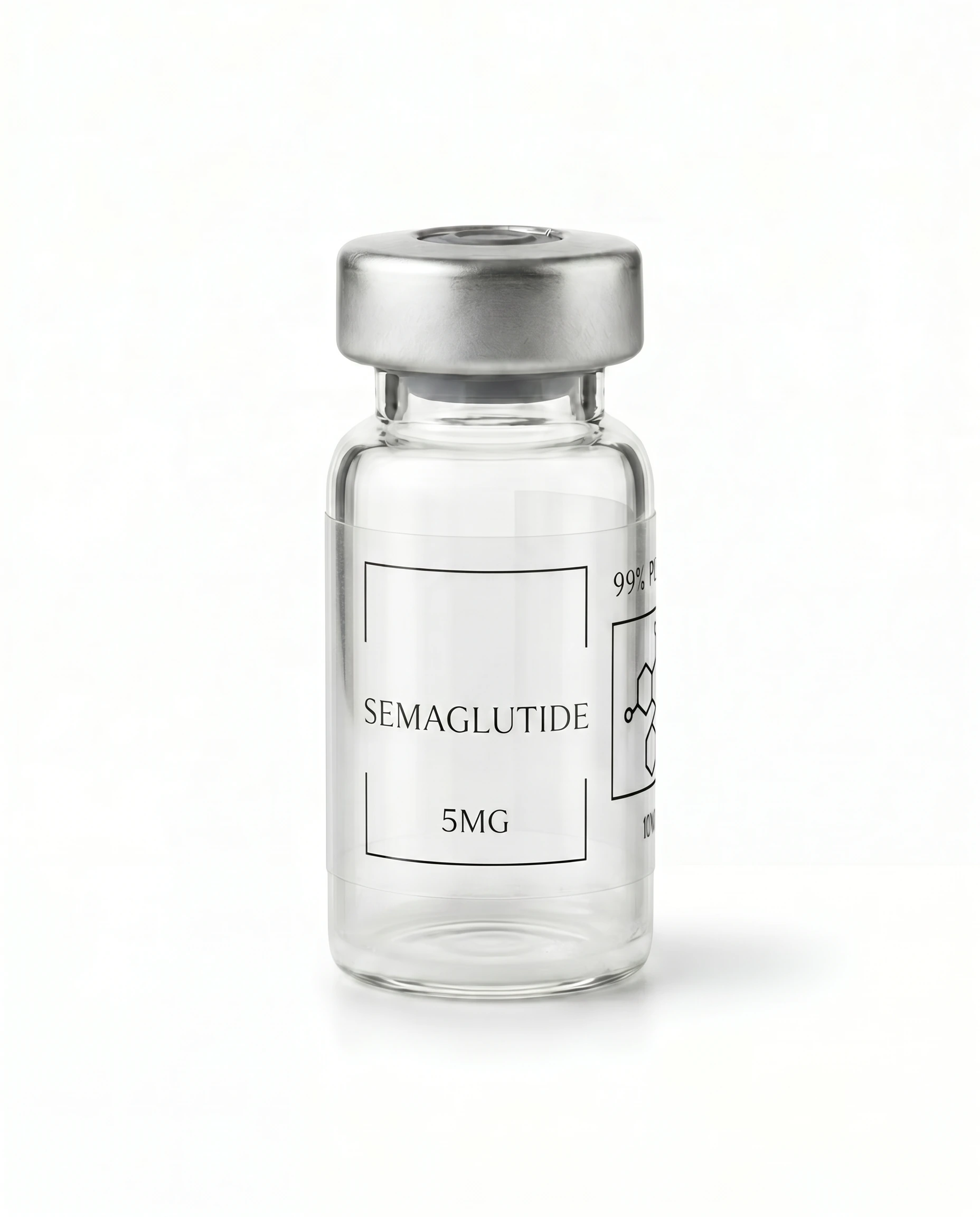
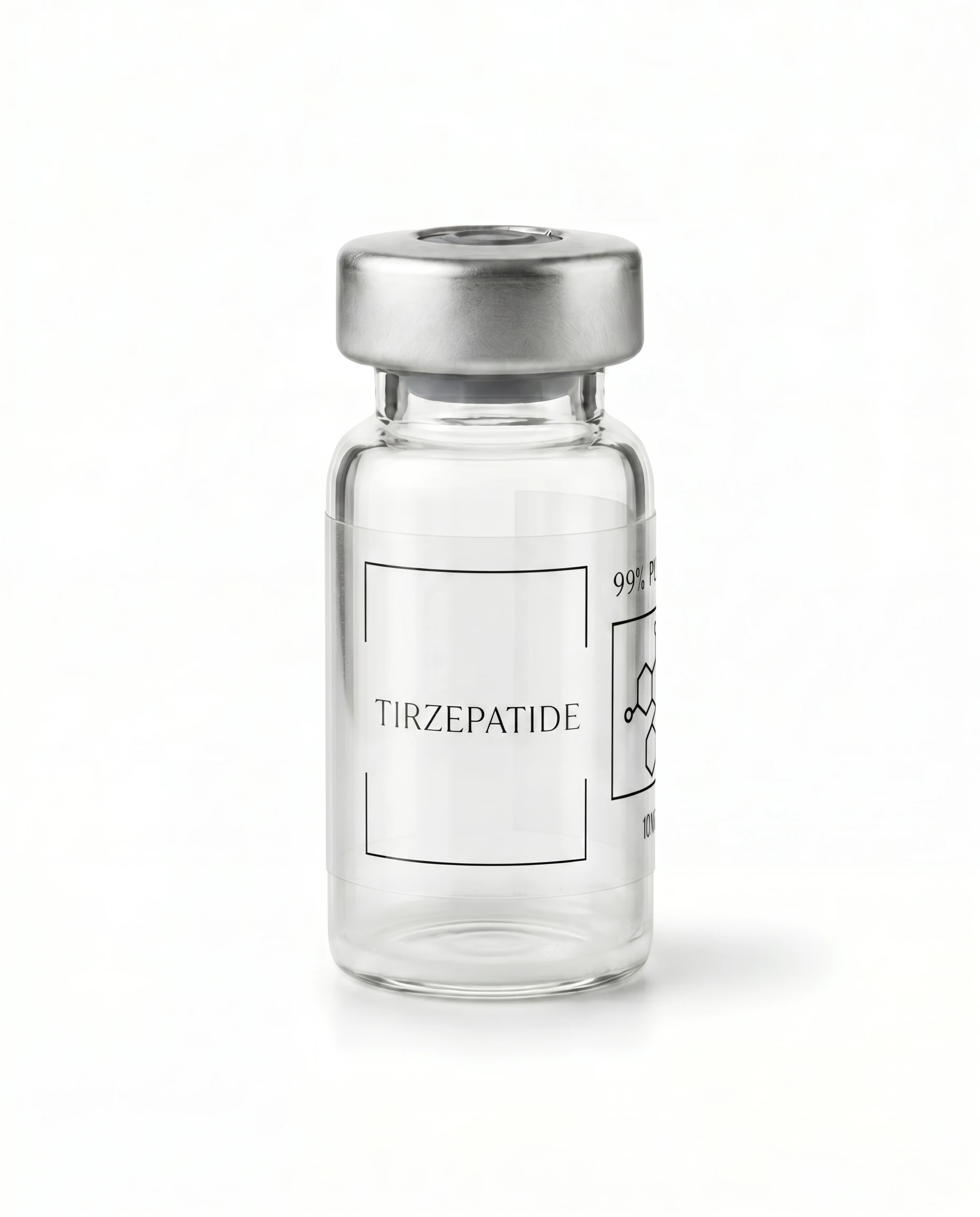
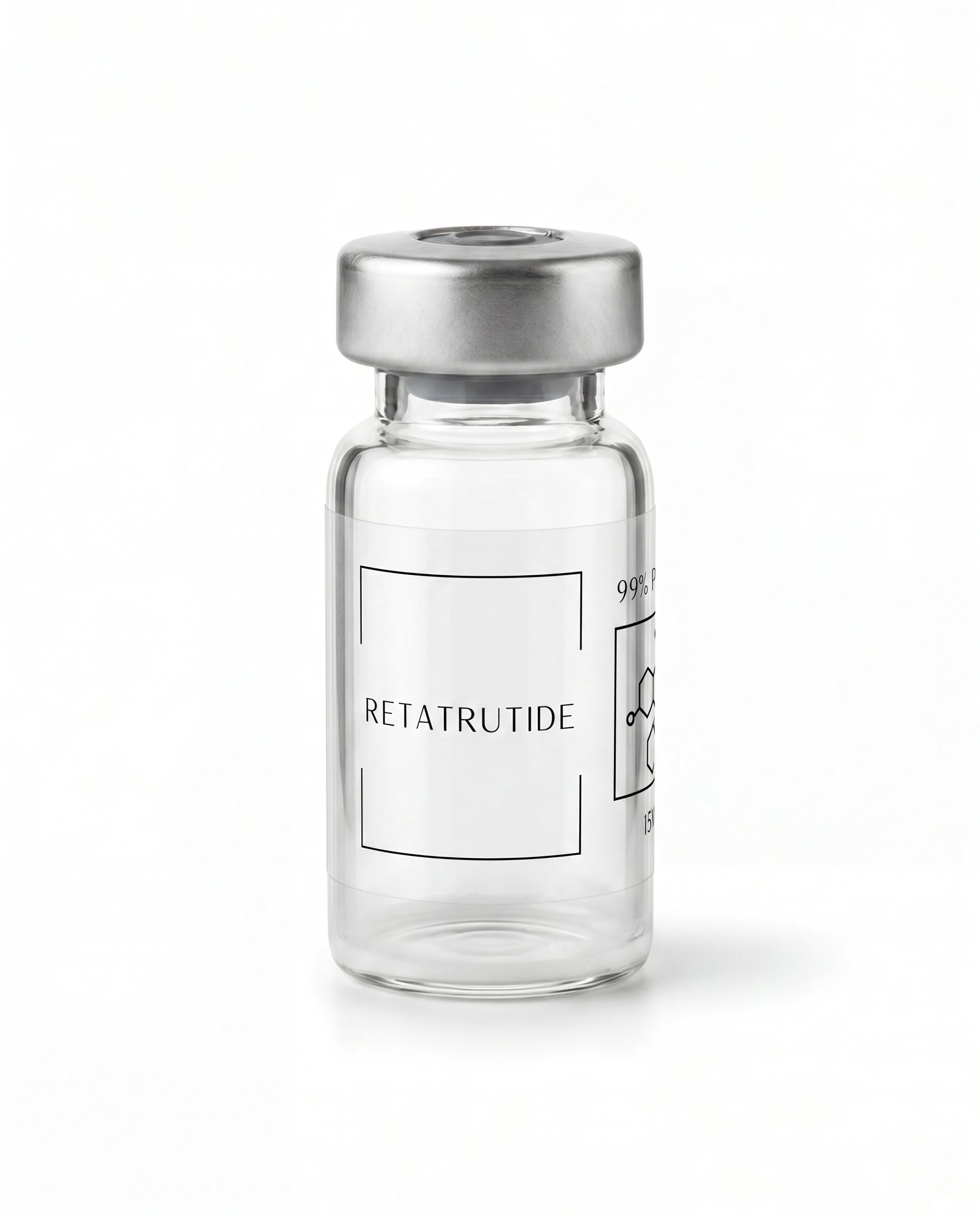
GLP-1 metabolic peptides converge on a single research axis: incretin-receptor pharmacology and the staged engineering of polyagonism at the GLP-1, GIP, and glucagon receptors. Semaglutide (a long-acting single GLP-1 receptor agonist), tirzepatide (a dual GLP-1/GIP receptor agonist), and retatrutide (an investigational triple GLP-1/GIP/glucagon receptor agonist) represent three successive generations of incretin-class research compounds, each adding a receptor arm to the prior backbone. The mechanism distinctions matter: GIP co-agonism layers additional adipocyte and central-satiety signalling onto GLP-1, while glucagon co-agonism adds hepatic energy-expenditure modulation that single- and dual-agonists do not engage. The comparative-trial literature — head-to-head SURPASS, STEP, SUSTAIN, and SURMOUNT-class readouts plus the early-phase retatrutide signal — sits across the catalogue articles linked below; this page surfaces the comparative literature. All references are framed for in-vitro and laboratory investigation, not human consumption.

3 compounds Active research
Editor's note

Reading glp-1 metabolic, what to look for.

Compounds in this category share a common pharmacological anchor but diverge meaningfully in half-life, receptor selectivity, and tolerability profile. A compound's published dose range is rarely interchangeable with its sibling's; the molecule matters.

Where human trial data exists, we lean on it. Where only preclinical or open-label data exists, we flag the limitation in plain language. We do not infer efficacy from mechanism alone, mechanism is a starting question, not an answer.

Citations for each entry reference Phase 2+ clinical data where available, peer-reviewed preclinical work otherwise. Commercial white-papers are excluded.

Research context

The incretin research programme: 30 years from gut peptide to Phase 3 metabolic axis

The GLP-1 cluster is the most extensively trialled compound class in modern metabolic pharmacology, and the catalogue here — semaglutide, tirzepatide, and retatrutide — sits on top of a research lineage that began with the 1960s incretin observation that oral glucose produces a larger insulin response than intravenous glucose at matched blood-glucose level. GLP-1 itself was identified in the 1980s as a tissue-specific cleavage product of the preproglucagon gene; GIP (glucose-dependent insulinotropic polypeptide) was characterised a decade earlier. Both peptides shared a single therapeutic obstacle — native GLP-1's circulating half-life is roughly two minutes, degraded rapidly by DPP-IV. The translational programme between 1990 and 2017 was an engineering problem: DPP-IV-resistant residue substitutions (exenatide), albumin-binding fatty-acid extensions (liraglutide), then deeper backbone modification (semaglutide, half-life ~165 hours, once-weekly dosing). The GLP-1 research overview walks the full historical arc. The contemporary catalogue extends the axis in two directions: tirzepatide adds engineered GIP-receptor agonism inside a single molecule (dual incretin agonism), and retatrutide layers glucagon-receptor agonism on top of GIP+GLP-1 (triple agonism) — the Retatrutide triple-agonist deep-dive covers the Phase 2 evidence. Cagrilintide, an amylin analog studied as the partner molecule in the CagriSema combination programme, occupies a parallel research track covered in the cagrilintide amylin-analog article but is not currently in the Bangkok catalogue.

Mechanism convergence: GLP-1R, GIPR, glucagon-R, and the CNS appetite axis

All three catalogue compounds converge on a shared pharmacological axis built around class-B G-protein-coupled receptors, with each compound adding a receptor arm to the previous. GLP-1R is expressed on pancreatic β-cells (glucose-dependent insulin secretion), pancreatic α-cells (glucagon suppression), hypothalamic arcuate POMC/CART neurons (central appetite reduction), gastric smooth muscle (delayed gastric emptying), and cardiac tissue. The arcuate-nucleus arm is the mechanistic locus of the body-weight endpoints that anchor the modern trials. Tirzepatide's clinical pharmacology article details how its GIP-receptor arm complements rather than duplicates the GLP-1 effects — distinct adipose-tissue lipid handling, complementary β-cell potentiation, and a second central satiety circuit that the working model now credits with both larger anorectic effect and improved GI tolerability at high dose. Retatrutide adds the glucagon-receptor arm: hepatic glucose output classically, but more importantly resting energy expenditure via brown-adipose-tissue thermogenesis and fatty-acid oxidation — an energy-deficit lever on top of the appetite-reduction levers GLP-1 and GIP share. The receptor-stack progression — single → dual → triple — explains the trial-level weight-loss progression (~15% → ~21% → ~24%) walked through in the semaglutide vs tirzepatide review. Titration is non-optional across the class; direct-to-high-dose initiation produces unacceptable GI adverse-event rates, and the validated dose-escalation schedules are documented in the GLP-1 titration protocols article.

Why this cluster reads differently: Phase 3 CVOT evidence vs the smaller-trial-base clusters

The GLP-1 cluster differentiates from every other category on the site through depth of trial evidence. Where the cognitive-nootropic and longevity-cellular hubs are anchored by mechanism papers and small clinical series, the incretin cluster is anchored by a coherent multi-programme Phase 3 evidence base — SUSTAIN (semaglutide T2DM glycaemic control), STEP (semaglutide obesity without diabetes), SELECT (semaglutide cardiovascular outcomes in obesity without diabetes), SURPASS (tirzepatide T2DM and head-to-head vs semaglutide), and SURMOUNT (tirzepatide obesity). The semaglutide vs tirzepatide trials walkthrough maps the head-to-head data; the GLP-1 cardiovascular outcomes deep-dive traces how the class moved from a glycaemic-control therapy (SUSTAIN-6, 2016) to a cardiometabolic-prevention therapy independent of diabetes status (SELECT, 2023). Three asymmetries shape research selection. First, semaglutide carries the mature cardiovascular-outcome evidence; tirzepatide's dedicated CVOT (SURPASS-CVOT) is still pending, so cardiovascular-endpoint research currently has a clearer reference compound than weight-loss-endpoint research. Second, tirzepatide produces larger glycaemic and weight effects head-to-head (SURPASS-2), but at non-matched doses — the comparison is direct in T2DM, inferential in obesity. Third, retatrutide is the strongest published weight-loss signal in the class (~24% at 48 weeks, Phase 2) but lacks Phase 3 readouts and long-term safety characterisation; researchers should weight evidence-stage against effect-size when selecting from this cluster.

At a glance

Mechanism Convergence

The GLP-1 metabolic cluster spans three receptor-pharmacology generations on a single axis. Semaglutide is a once-weekly mono-agonist of the GLP-1 receptor, engineered with a C18 fatty-diacid side chain for albumin binding and a 7-day half-life. Tirzepatide is a dual GIP and GLP-1 receptor co-agonist (Coskun 2018), with the GIP arm sensitising adipose tissue and amplifying GLP-1-mediated insulinotropic and satiety signalling (Samms 2020). Retatrutide adds a third arm — glucagon-receptor agonism — driving hepatic energy expenditure on top of the GIP plus GLP-1 base. The compounds share the once-weekly subcutaneous research format; the receptor pharmacology is the variable of interest.

Tirzepatide clinical pharmacology →Retatrutide triple-agonist research →GLP-1 research overview →

Clinical Trial Landscape

The four registered-drug programmes anchor the cluster. STEP 1 (Wilding 2021) recorded a 14.9% mean weight loss with semaglutide 2.4 mg over 68 weeks. SURPASS-2 (Frias 2021) was the head-to-head: tirzepatide 15 mg outperformed semaglutide 1 mg on HbA1c and weight in type 2 diabetes. SURMOUNT-1 (Jastreboff 2022) extended tirzepatide into non-diabetic obesity with up to 22.5% weight loss at 72 weeks. SELECT (Lincoff 2023) is the cardiovascular outcomes trial — semaglutide 2.4 mg cut MACE by 20% in obese patients without diabetes. The retatrutide phase 2 (Jastreboff 2023) registered the largest single-agent weight loss to date at the 12 mg dose.

Semaglutide vs Tirzepatide trials →Semaglutide vs Tirzepatide review →GLP-1 cardiovascular outcomes →

Titration and Dose-Escalation Protocols

The metabolic-cluster compounds are studied with stepped dose-escalation rather than a single fixed dose. Semaglutide research protocols mirror the STEP 1 schedule — 0.25 mg weekly for 4 weeks, escalating monthly through 0.5, 1.0, 1.7, to the 2.4 mg maintenance dose. Tirzepatide follows the SURMOUNT-1 ladder from 2.5 mg through 5, 7.5, 10, 12.5, to 15 mg at 4-week intervals. The retatrutide phase 2 used a similar monthly escalation through 1, 2, 4, 8, to 12 mg. Slower escalation tracks lower GI-adverse-event rates in the trial record; research protocols match the registered titration cadence rather than compressing it.

GLP-1 titration protocols →Semaglutide product page →Tirzepatide product page →Retatrutide product page →
Further reading

Deep-dives across the glp-1 metabolic cluster.

GLP-1 Metabolic, common questions

What are glp-1 metabolic peptides?
GLP-1 Metabolic peptides are research compounds studied in the context described above: glp-1 receptor agonists and dual or triple incretin peptides studied for glycemic control, satiety, weight-loss endpoints, and type-2 diabetes research. This category covers 3 compounds including Semaglutide, Tirzepatide, Retatrutide. All compounds are supplied in Thailand for research use only.
Which glp-1 metabolic peptides does Thailand Peptides supply?
Thailand Peptides supplies 3 compounds in the GLP-1 Metabolic category: Semaglutide, Tirzepatide, Retatrutide. Each has a dedicated reference page with mechanism, dose protocols, stacking notes, and citations. Order via WhatsApp to the Bangkok research desk.
How do I buy glp-1 metabolic peptides in Thailand?
Pick the compound from the catalogue above, then press the Contact button to open a WhatsApp chat with the Bangkok research desk. Tell us the compound and quantity; we return pricing and availability within business hours (GMT+7, Mon–Sat). Same-week delivery across Thailand.
Are glp-1 metabolic peptides legal in Thailand?
GLP-1 Metabolic peptides are supplied strictly for in-vitro research and laboratory investigation, not for human consumption, diagnosis, or treatment. Regulatory status varies by jurisdiction and by intended use; buyers are responsible for compliance with laws applicable in their own country. See the research disclosure for full detail.
What quality standards apply to glp-1 metabolic peptides?
All compounds in this category are sourced for ≥98% HPLC purity with third-party mass-spectrometry verification, plus endotoxin and residual-solvent testing on every lot. Certificate of analysis is available on request for any compound in the GLP-1 Metabolic range.