For laboratory research only.

Everything sold on peptidesth.com is supplied for in-vitro research and laboratory use. These materials are not drugs, supplements, or food. They are not intended for human or animal consumption, diagnostic use, or therapeutic use.

Please confirm you are 21 or older before continuing. Our research desk ships from Bangkok to qualified buyers in Thailand and worldwide.

Your acknowledgement is remembered on this device for 24 hours.

You’re about to view data for this compound.

This compound is supplied strictly for in-vitro research. It is not a medicine and is not intended for human or animal use. By continuing, you confirm you are 21 or older and accessing this information for laboratory purposes.

Categorycognitive-nootropic

Cognitive & Nootropic.

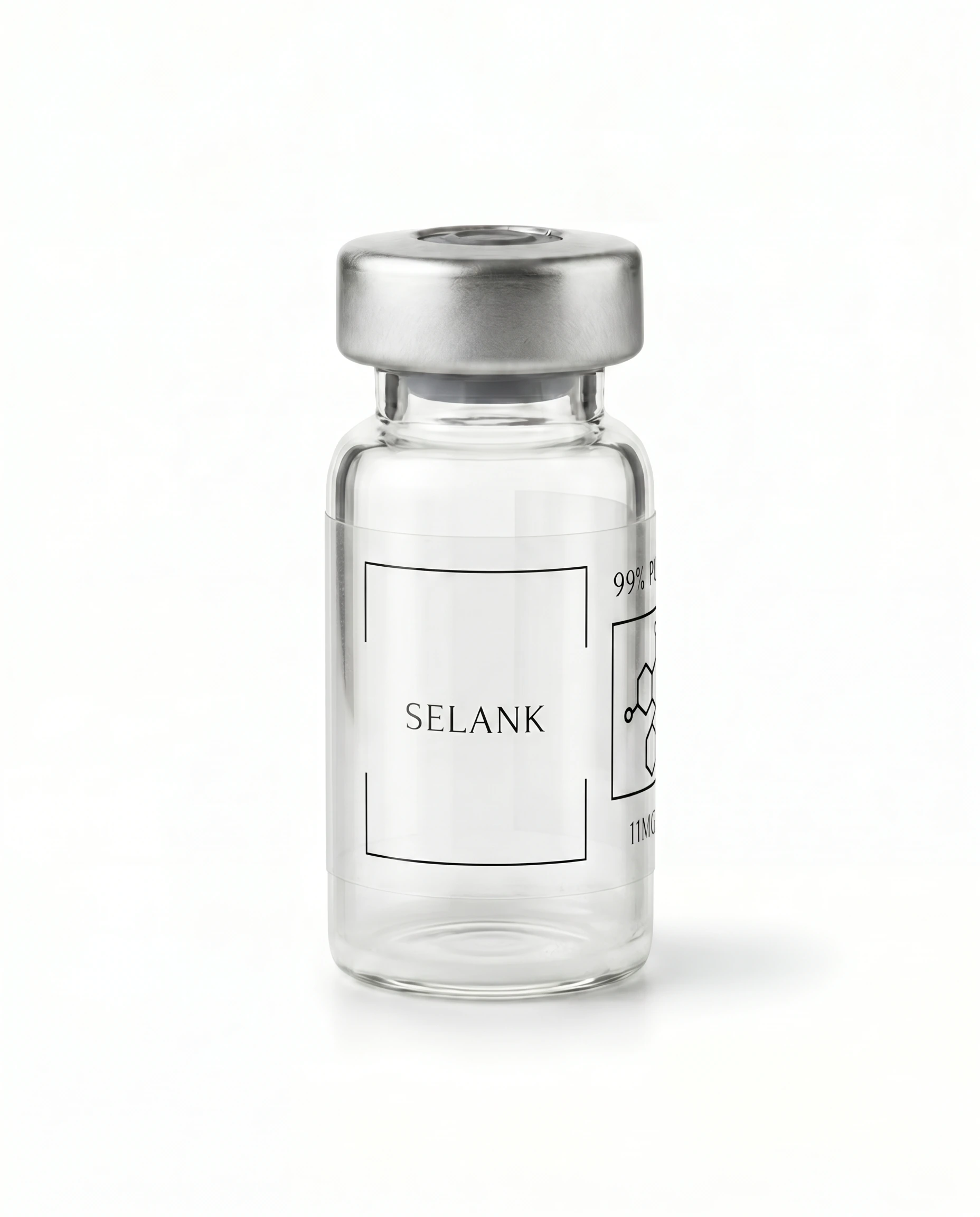
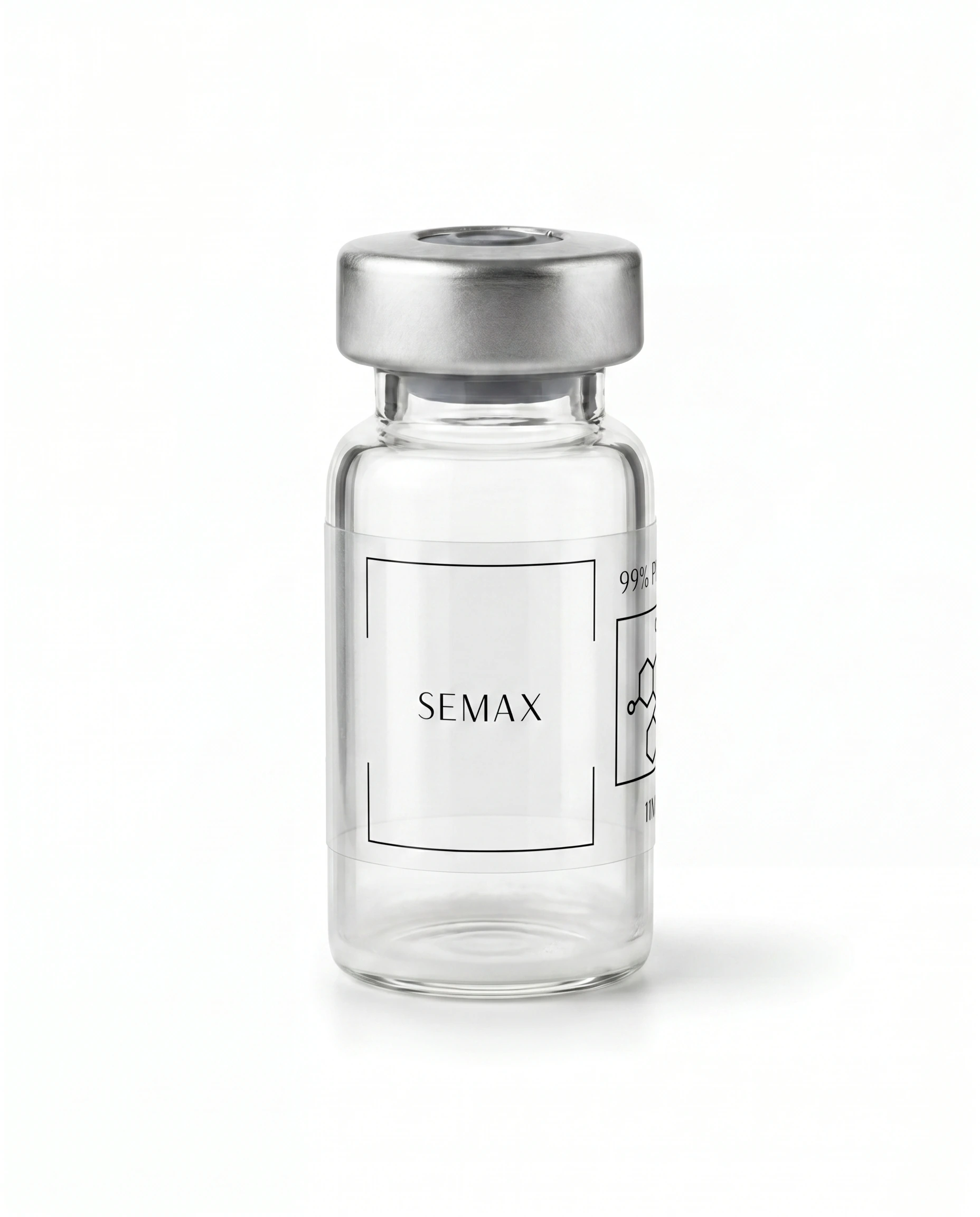
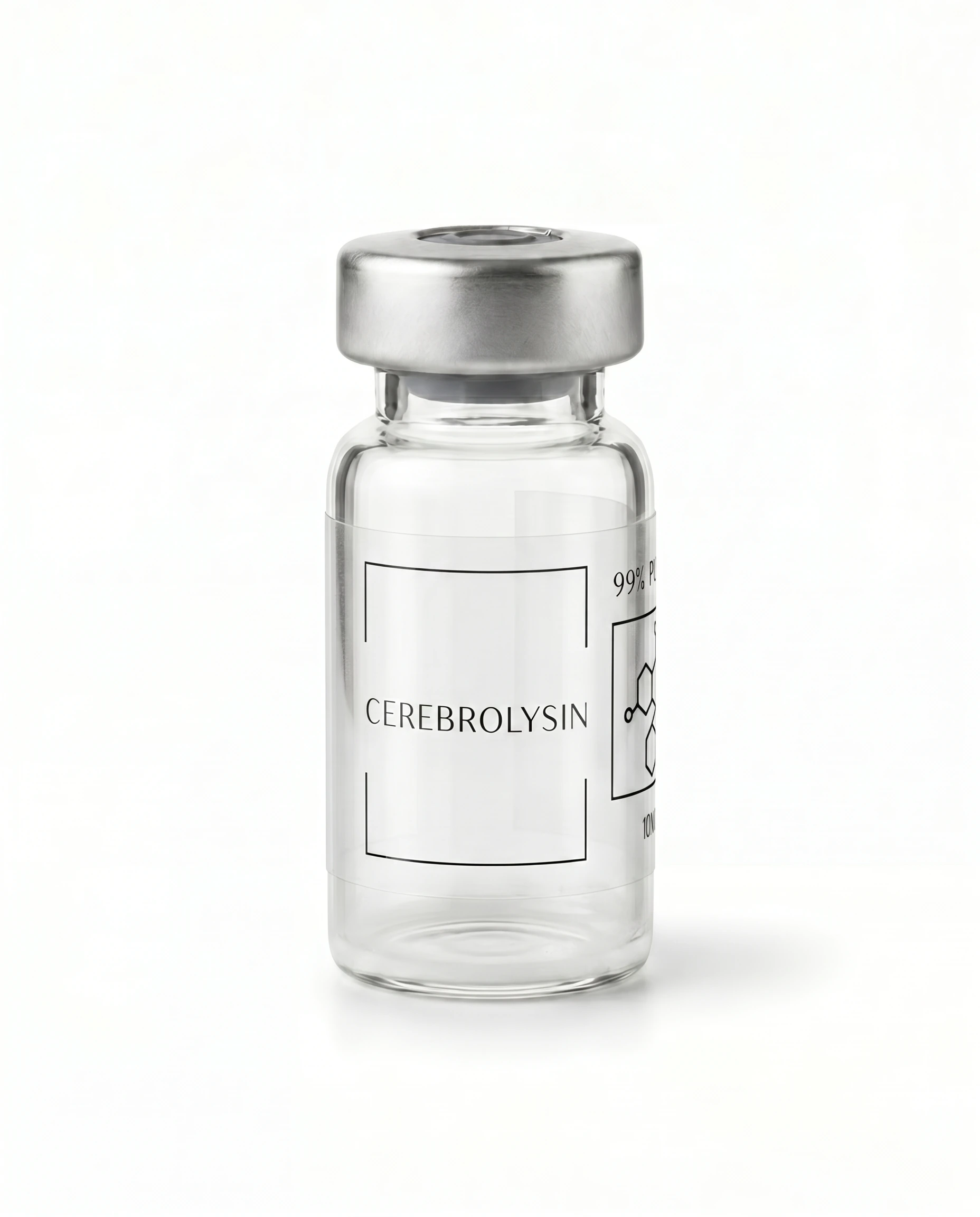
Cognitive-nootropic peptides converge on a single research axis: BDNF and NGF modulation in the hippocampus and cortex. Semax (ACTH 4-10 analog), Selank (tuftsin analog), and Cerebrolysin (porcine-derived peptide mixture) drive neurotrophin expression through distinct upstream mechanisms; this page surfaces the comparative literature.

4 compounds Active research
Editor's note

Reading cognitive & nootropic, what to look for.

Compounds in this category share a common pharmacological anchor but diverge meaningfully in half-life, receptor selectivity, and tolerability profile. A compound's published dose range is rarely interchangeable with its sibling's; the molecule matters.

Where human trial data exists, we lean on it. Where only preclinical or open-label data exists, we flag the limitation in plain language. We do not infer efficacy from mechanism alone, mechanism is a starting question, not an answer.

Citations for each entry reference Phase 2+ clinical data where available, peer-reviewed preclinical work otherwise. Commercial white-papers are excluded.

Research context

The Russian neuropeptide research programme

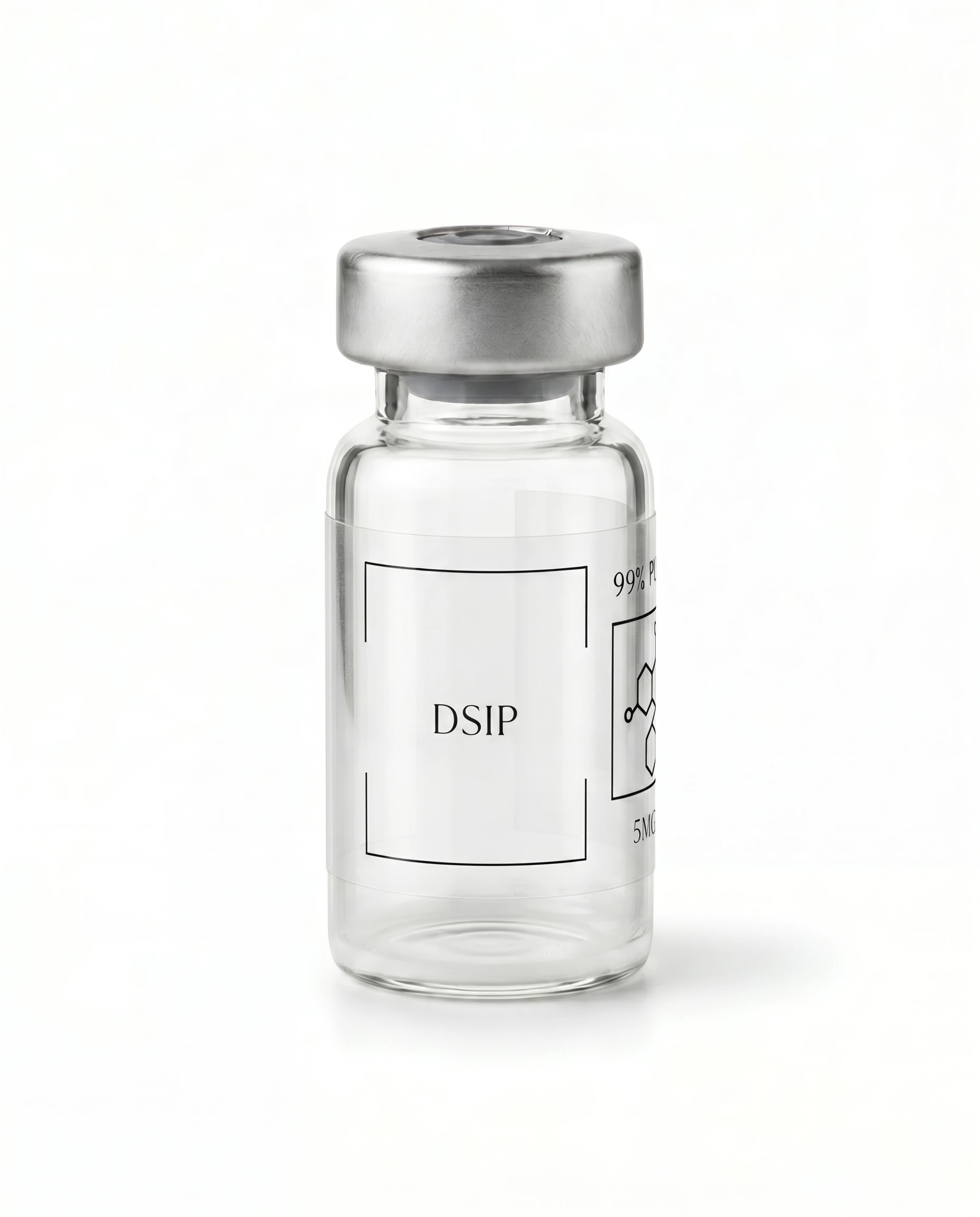
The contemporary cognitive-nootropic peptide catalogue is dominated by compounds developed in the Russian Academy of Sciences research tradition. Semax is a synthetic heptapeptide derived from the ACTH(4-10) fragment and carries Russian clinical registration for ischemic-stroke recovery. Selank is a synthetic heptapeptide derived from the immune-signalling tetrapeptide tuftsin and is studied as a non-sedating anxiolytic. DSIP (delta-sleep-inducing peptide) sits adjacent to the cluster with a thinner contemporary trial base. Outside the Russian programme, Cerebrolysin is the major non-synthetic entry — a porcine-derived peptide-and-amino-acid mixture characterised by activity rather than by a single defined sequence. The regulatory histories diverge meaningfully across jurisdictions; the underlying mechanism research converges.

BDNF and NGF as the convergent research axis

Brain-derived neurotrophic factor and nerve growth factor are the two neurotrophins most directly implicated in adult synaptic plasticity, hippocampal neurogenesis, and neuronal-survival signalling under stress. The cognitive-nootropic peptides cluster around this axis: Semax administration in rat models drives BDNF and TrkB transcript upregulation in the hippocampus, frontal cortex, and retina, with independent replication across multiple research groups. Cerebrolysin acts as a neurotrophic-mimetic — its active peptide fragments cross the blood-brain barrier and mimic BDNF, GDNF, NGF, and CNTF activity. The mechanism walkthroughs live in the Semax + Selank BDNF article and the Cerebrolysin neurotrophic research article.

Why this cluster reads differently from the rest of the catalogue

The cognitive-nootropic cluster differentiates from the GLP-1 metabolic and GH-secretagogue clusters in three ways. First, the registered-drug evidence base is dominated by Cerebrolysin trials (CASTA 2012 negative on overall mRS, CARS 2016 positive on motor-recovery ARAT, Alvarez 2011 positive on ADAS-cog in moderate-to-moderately-severe Alzheimer's) rather than by metabolic-class CVOTs. Second, route of administration is split: the Russian-programme compounds use intranasal delivery for direct CNS access, while Cerebrolysin uses IV or IM infusion. Third, Western replication of the Russian-tradition compounds is limited; researchers selecting from this cluster should weight Phase 3-equivalent evidence (Cerebrolysin) against mechanism-clean compounds with smaller human-trial bases (Semax, Selank).

At a glance

Mechanism Convergence

BDNF and NGF expression is upregulated by Semax, Selank, and Cerebrolysin through distinct upstream pathways — Semax via ACTH(4-10) receptor activity, Selank via tuftsin-pathway transcriptomic effects, Cerebrolysin via direct neurotrophic-mimetic peptide fragments. The convergent downstream effect is hippocampal and cortical neurogenesis support.

Semax + Selank BDNF deep-dive →Cerebrolysin neurotrophic research →

Clinical Trial Landscape

Cerebrolysin has the strongest registered-drug evidence base — CASTA 2012 negative on overall mRS, CARS 2016 positive on motor-recovery ARAT. Semax carries Russian clinical registration for ischemic stroke; Western evidence is preclinical. DSIP has the thinnest contemporary clinical literature in this cluster.

Semax + Selank research summary →Cerebrolysin vs Semax comparison →

Intranasal vs Systemic Delivery

The Russian-programme compounds (Semax, Selank) use intranasal delivery for direct CNS access at low microgram doses. Cerebrolysin uses IV or IM infusion at the larger mL volumes characteristic of biologic preparations. Research protocols match the validated administration route per compound rather than substituting.

Semax product page →Selank product page →Cerebrolysin product page →
Further reading

Deep-dives across the cognitive & nootropic cluster.

Cognitive & Nootropic, common questions

What are cognitive & nootropic peptides?
Cognitive & Nootropic peptides are research compounds studied in the context described above: nootropic peptides studied for cognition, bdnf and ngf modulation, neuroplasticity, focus, memory, and stroke-recovery research. includes intranasal russian-tradition compounds. This category covers 4 compounds including Selank, Semax, DSIP, and 1 more. All compounds are supplied in Thailand for research use only.
Which cognitive & nootropic peptides does Thailand Peptides supply?
Thailand Peptides supplies 4 compounds in the Cognitive & Nootropic category: Selank, Semax, DSIP, Cerebrolysin. Each has a dedicated reference page with mechanism, dose protocols, stacking notes, and citations. Order via WhatsApp to the Bangkok research desk.
How do I buy cognitive & nootropic peptides in Thailand?
Pick the compound from the catalogue above, then press the Contact button to open a WhatsApp chat with the Bangkok research desk. Tell us the compound and quantity; we return pricing and availability within business hours (GMT+7, Mon–Sat). Same-week delivery across Thailand.
Are cognitive & nootropic peptides legal in Thailand?
Cognitive & Nootropic peptides are supplied strictly for in-vitro research and laboratory investigation, not for human consumption, diagnosis, or treatment. Regulatory status varies by jurisdiction and by intended use; buyers are responsible for compliance with laws applicable in their own country. See the research disclosure for full detail.
What quality standards apply to cognitive & nootropic peptides?
All compounds in this category are sourced for ≥98% HPLC purity with third-party mass-spectrometry verification, plus endotoxin and residual-solvent testing on every lot. Certificate of analysis is available on request for any compound in the Cognitive & Nootropic range.